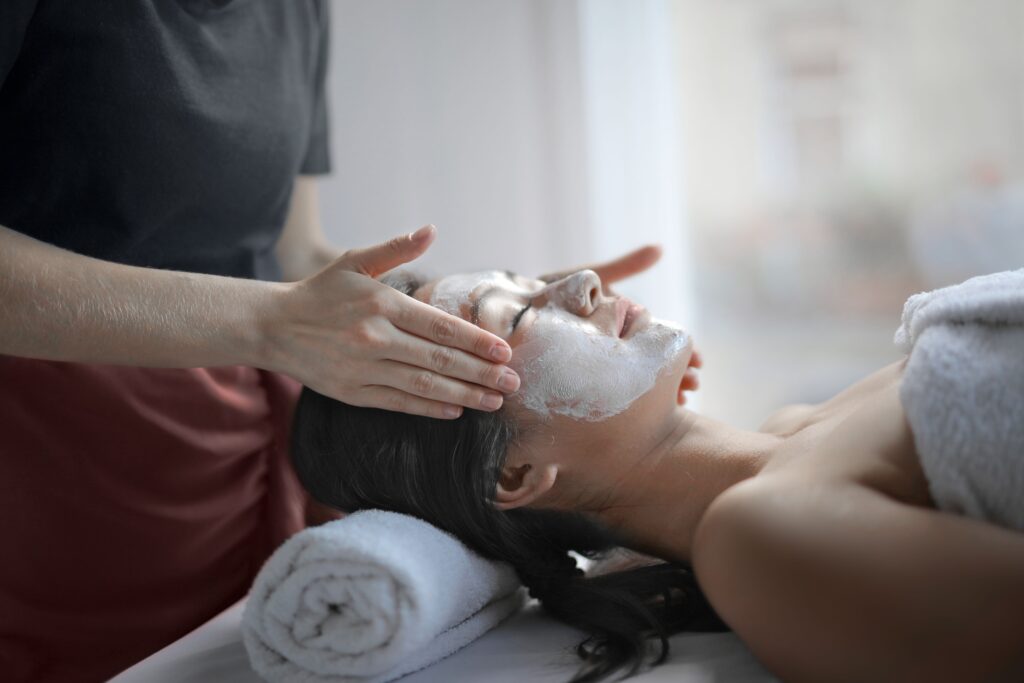
Skincare used to be mostly about what came out of a bottle. Cleansers, moisturisers, serums and masks dominated bathroom shelves, while the idea of using your hands or a facial tool as part of a routine felt slightly old-fashioned. That has changed noticeably. Facial massage has moved from spa treatment rooms into everyday beauty routines, helped by social media tutorials, a wider interest in self-care and the popularity of tools designed to make the process easier.
Part of the appeal is that facial massage feels active. Applying a cream can be over in seconds, whereas massage encourages people to slow down and pay attention to how their skin feels. For many, that small change turns skincare from another task into something closer to a ritual. It is simple, inexpensive to try and easy to adapt, which has helped it become one of the more lasting beauty trends of recent years.
A Ritual That Fits Modern Beauty Habits
One reason facial massage has become so popular is that it sits neatly between skincare and self-care. Beauty routines are increasingly expected to do more than improve appearance; people also want them to feel calming, enjoyable and worth making time for. Spending a few minutes massaging the face can create that sense of pause without requiring a full spa appointment or a complicated collection of products.
The routine can also be adjusted to suit different lifestyles. Some people spend a few minutes on it in the morning to help their face feel refreshed, while others prefer to use massage at night as part of winding down. It can be done with clean hands, a roller, a gua sha-style tool or another facial massager, making it flexible enough to fit both minimalist and more elaborate routines.
The Influence of Beauty Tools
Facial massage has also benefited from the rise of dedicated beauty tools. Brands such as SkinGym have helped make facial rollers, sculpting tools and other at-home devices far more visible, turning techniques that once seemed specialist into something people can easily experiment with themselves. The attraction is partly practical, but presentation matters too. Well-designed tools can make a routine feel more considered and encourage people to use them consistently.
That does not mean a tool automatically produces dramatic results. The technique, frequency and expectations all matter. However, tools can make massage easier to perform and can provide a pleasant cooling or gliding sensation, particularly when used with a suitable facial oil or serum. For many users, that sensory element is a large part of why the habit sticks.
Why De-Puffing Gets So Much Attention
One of the most common reasons people become interested in facial massage is puffiness. Faces can look slightly swollen in the morning because of normal fluid retention, lack of sleep, salty food, alcohol or simply individual tendency. Gentle massage can help the face feel less puffy temporarily, especially when combined with a cool tool or light pressure.
This is also where beauty content online has played a major role. Before-and-after clips are easy to film, and a few minutes of massage can sometimes create a visible short-term difference in how defined or refreshed the face appears. That makes facial massage particularly suited to short-form videos, which have helped push techniques such as jawline massage and under-eye rolling into mainstream beauty culture.
It is sensible, though, to separate temporary cosmetic effects from more exaggerated claims. Facial massage can feel relaxing and may help with the appearance of temporary puffiness, but it is not a substitute for medical treatment or a way to permanently reshape facial structure. The popularity of the trend is easier to understand when viewed as a useful beauty ritual rather than a miracle technique.
Technique Matters More Than Pressure
A common mistake is assuming that firmer pressure must produce better results. Facial skin can be delicate, and aggressive rubbing is more likely to cause irritation than improvement. Gentle, controlled movements are usually more appropriate, particularly around the eyes.
Using enough slip is important too. Trying to drag a tool or fingers across dry skin can create unnecessary friction. A light oil, serum or moisturiser can help the hands or tool move smoothly, although the product should be suitable for the person’s skin type. Those prone to breakouts may prefer a non-comedogenic product, while sensitive skin may benefit from a simpler formula with fewer potential irritants.
Cleanliness should not be overlooked. Facial tools come into repeated contact with skin and skincare products, so they should be cleaned regularly according to the material and manufacturer’s instructions. Using a dirty tool can undermine an otherwise careful routine.
Why the Trend Has Lasted
Many beauty trends rise rapidly and disappear just as quickly, but facial massage has more staying power because it does not depend on a particular shade, product launch or seasonal fashion. It is a technique rather than a single purchase, and people can personalise it easily.
It also works well with the wider shift towards more intentional routines. Some consumers are moving away from using large numbers of products and are instead focusing on a smaller number of steps they actually enjoy. Facial massage fits that mindset because it adds experience rather than another layer of product.
There is also something appealingly low-tech about it. Even though modern beauty tools can be beautifully engineered or made from carefully chosen materials, the basic principle remains simple: gentle movement, a few minutes of attention and consistency. In a beauty industry often driven by new ingredients and increasingly complex formulations, that simplicity can feel refreshing.
Finding a Routine That Feels Sustainable
The most effective beauty habits are usually the ones people can maintain. A ten-step massage routine may look impressive online, but if it feels like a chore it is unlikely to last. A shorter approach used consistently can be more realistic.
For beginners, starting with a few gentle movements across the cheeks, jaw and forehead is often enough. From there, people can explore different techniques and tools without feeling pressured to copy every trend they see. Paying attention to comfort is more important than chasing dramatic results.
Facial massage has become a major part of modern skincare because it combines several things people increasingly value: simplicity, personalisation, relaxation and a sense of participation in the routine. It may have been repackaged for a new generation, but the appeal is easy to understand. In a crowded beauty world, taking a few minutes to slow down and care for the skin can feel surprisingly modern.